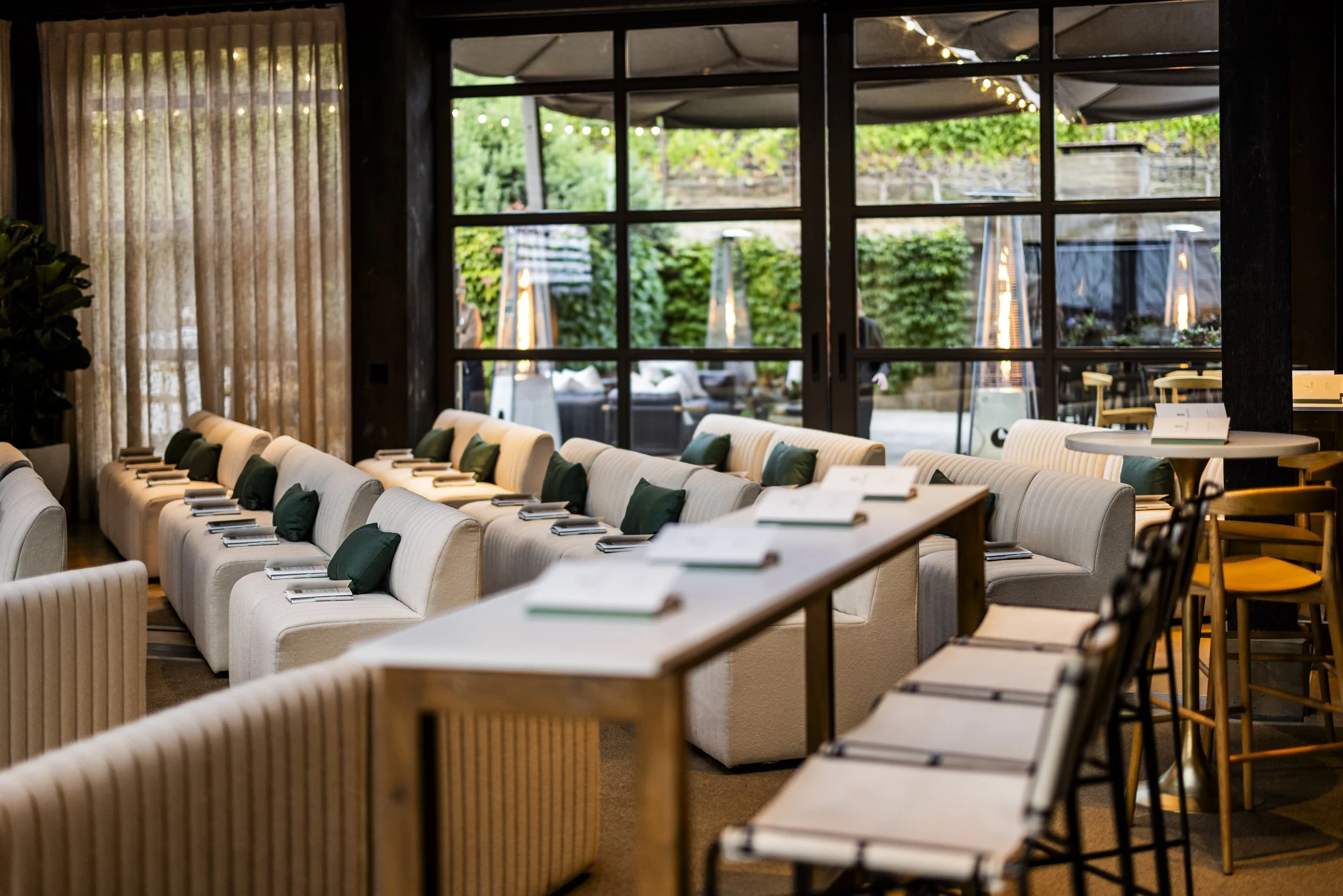
The Antigua Side: Floor Plans
The Art and Strategy of Floor Plans: A Case Study with Antigua Design Services
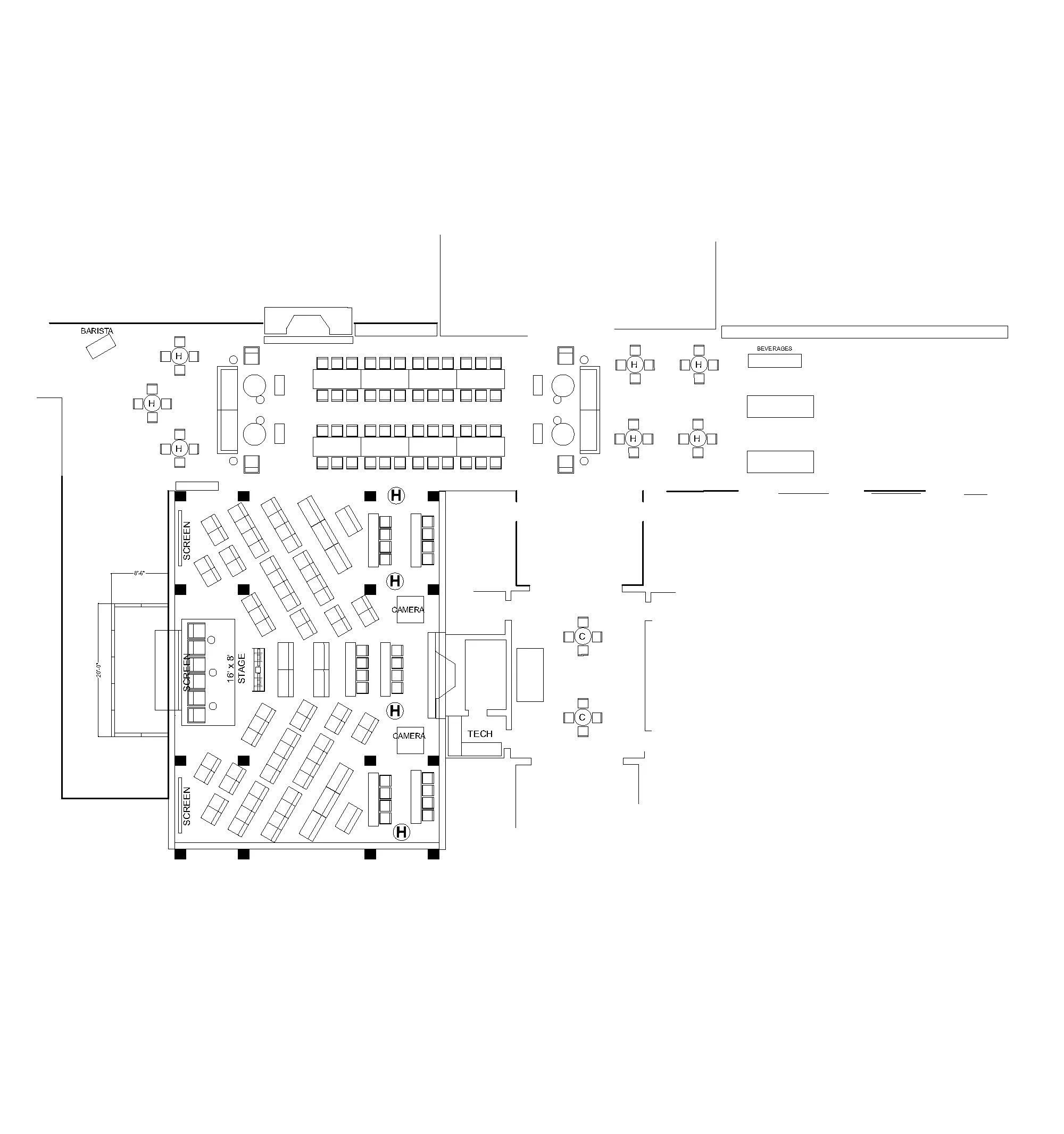
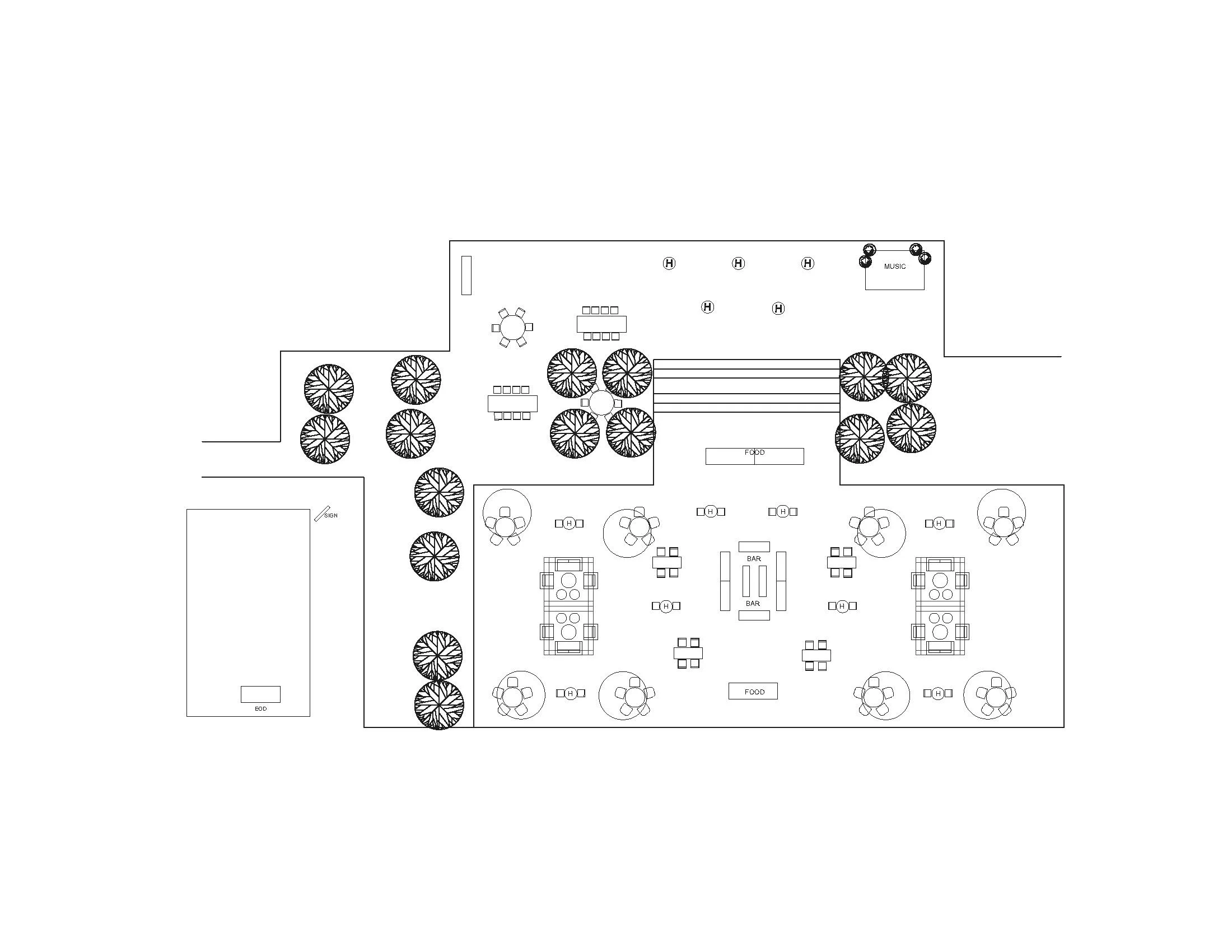
Floor plans are often mistaken for simple line drawings: flat diagrams that show where walls, doors, and windows go. To those who work inside the world of spatial design, they’re far more than that. A floor plan is a visualization of a space, a tool that helps contextualize an environment even when you’re not physically inside it. Take it from a professional. Pedro Munoz Jr., the founder of Antigua Design Services and the brains behind countless spatial design projects, says that floor plans are crucial. They “carry a lot of information… where columns are, where the structure is, how big a room is, where the doors are, points of egress, even mechanical elements like HVAC or electrical.”
In other words, a floor plan is both a map and a strategy. It’s the first step in shaping how people will move, gather, celebrate, and experience a space.
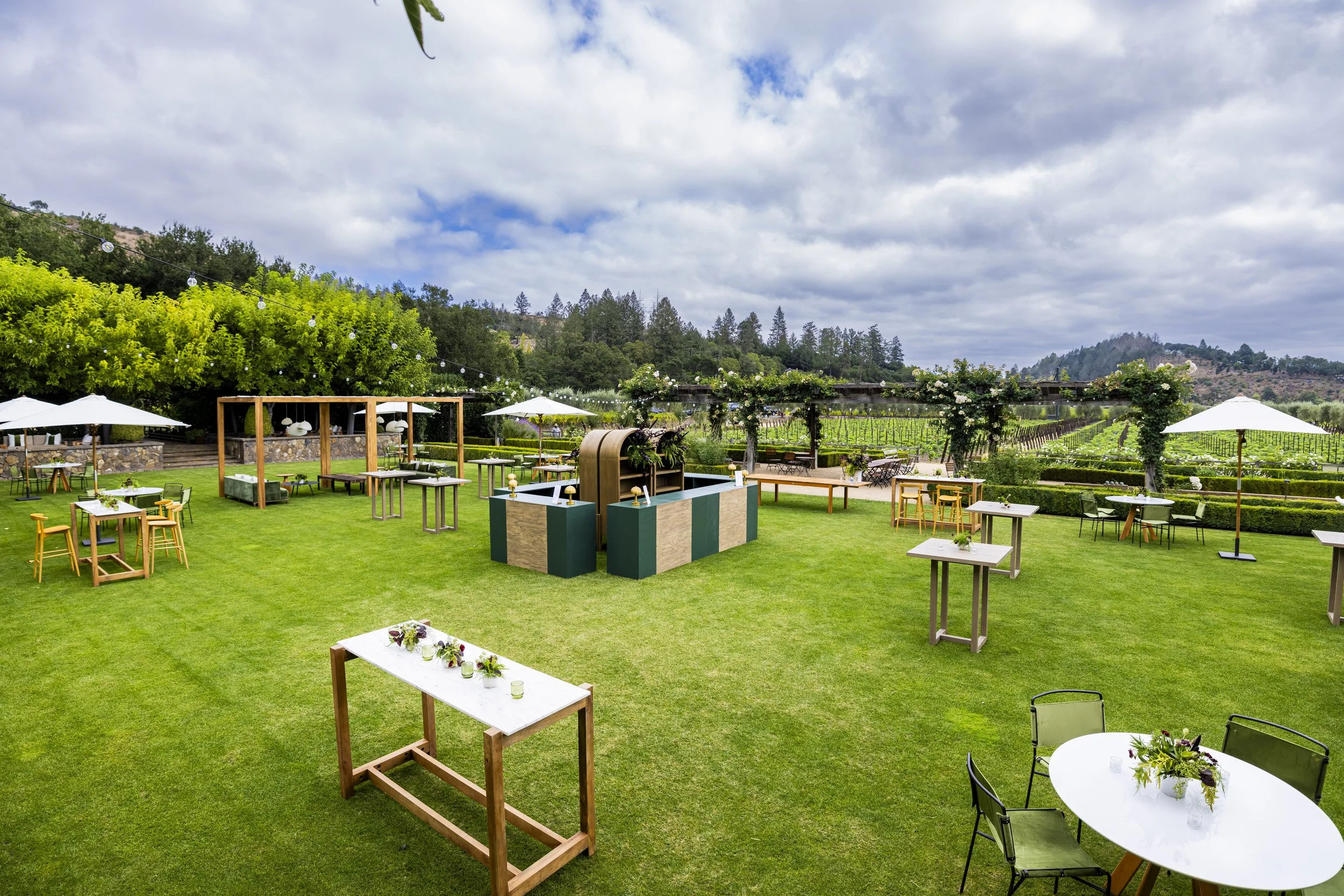
It’s the first step in shaping how people will move, gather, celebrate, and experience a space.
Education & Background: Where the Craft Began
Before architecture school, Pedro’s foundation was built in art history and architectural history. These two fields sharpened his eye for composition, geometry, and the evolution of built environments. Along with floor plans, of course, he studied elevations, section drawings, and historical detailing.
That early academic grounding became the backbone of his approach. When he transitioned into event design, Pedro brought with him a deep understanding of how people interact with space: where they sit during a ceremony, how they move during a cocktail hour, how they gather around a buffet, or how they engage with a stage during a conference. His architectural training gave him the ability to see events as designed experiences.
Composition, Flow, and Points of Interest: Designing the Invisible Pathways
When beginning a new floor plan, he starts with the “big pieces,” which include the stage, the dance floor, the backdrop, and the major seating zones. From there, he considers the number of guests, the type of tables, the placement of bars, and whether the event requires buffets or plated service. These details contribute to arguably the most important aspect of floor plan design: flow.
Flow, to Pedro, is the ease with which people navigate a space. It’s the distance between objects, the clarity of pathways, and the intuitive movement from one moment to the next. “What is the easiest way to navigate through all these objects?” he asks. “Let's say you're in a sea of tables and then, off to the side, there's the buffet. What's the easiest way to get to that? It isn’t random. You have to know building codes and all that stuff. I set up distances so it's easy for folks to navigate.”
Good flow isn’t always noticed, but bad flow always is. When flow is designed well, it elevates the entire event. For example, in weddings, he designs everything around the couple so that guests have visual and physical access to the focal point of the celebration.
“Sometimes it's just as easy as creating balance, creating an objective,” Pedro says, “For instance, if it's a wedding, you want the couple to be the main event. So, in a sense, you design everything around them so that everyone has access to those two folks who are getting married. Not just visually, but physically as well.”
The bride and groom are great examples of a clear focal point. Every event has at least one. In a conference, it’s the stage and monitors. In a gala, it might be a combination of the stage, silent auction tables, or other event activities
Identifying the focal point early helps shape the entire composition. It determines where guests look first, how they move through the room, and what moments become memorable.
One of the biggest mistakes a designer could make is being unintentional. According to Pedro, “It’s really obvious when a designer doesn’t take these things into consideration. The biggest tell is randomness.”
So, when you begin designing a floor plan, compositional decisions must be taken seriously. “Think everything through,” Pedro says, “Where are the big pieces gonna go? For instance, if it's a ballroom gala, I would first think, where's the stage gonna go? Is there going to be a dance floor? Where is it gonna go? Then I look at where the tables are gonna go, and how many people are gonna be at this event? From there, I start getting an idea of what type of layout I'm gonna do. All those things help me inform how things are gonna go. Sometimes, if I can be creative with these floor prints, I will even create a pattern out of everything. All of these details go into creating moments for everyone involved.”
Inspirations: Modernism & Contemporary Practice
Pedro’s design sensibilities are deeply influenced by 20th‑century modernism - particularly its emphasis on geometry, line work, and composition. He’s not alone! Many contemporary designers take inspiration from past movements.
He also draws inspiration from architects like Frank Lloyd Wright, whose work is known for dramatic contrasts: cozy, intimate hallways that open into grand, light‑filled rooms. That sense of spatial rhythm shows up in his event layouts as well.
Contemporary influences also play a role, including postmodern architecture of the 1990s, as well as the sculptural forms of designers like Frank Gehry. “Since the 20th century, I think we’ve gained a better understanding of how space can be very utilitarian,” Pedro says, “Nowadays, space is very accessible and free. It’s not dictated by a ‘style’ anymore. People can make it their own. The space becomes a vessel that you can just dress to your discretion.”
Though design has become more fluid and experimental, early inspirations are still helpful as context. Having an understanding of tried-and-true fundamentals can influence design decisions moving forward. Nothing exists in a vacuum, and even the most forward-thinking designs are inspired by something previous. As a designer, you need to know what you like and what you don’t like.
“Some of the styles, line work, geometry, and compositions of classic designers are very inspiring to me. I find myself looking to the past as I make design decisions in my work. It’s a healthy practice to do so.”
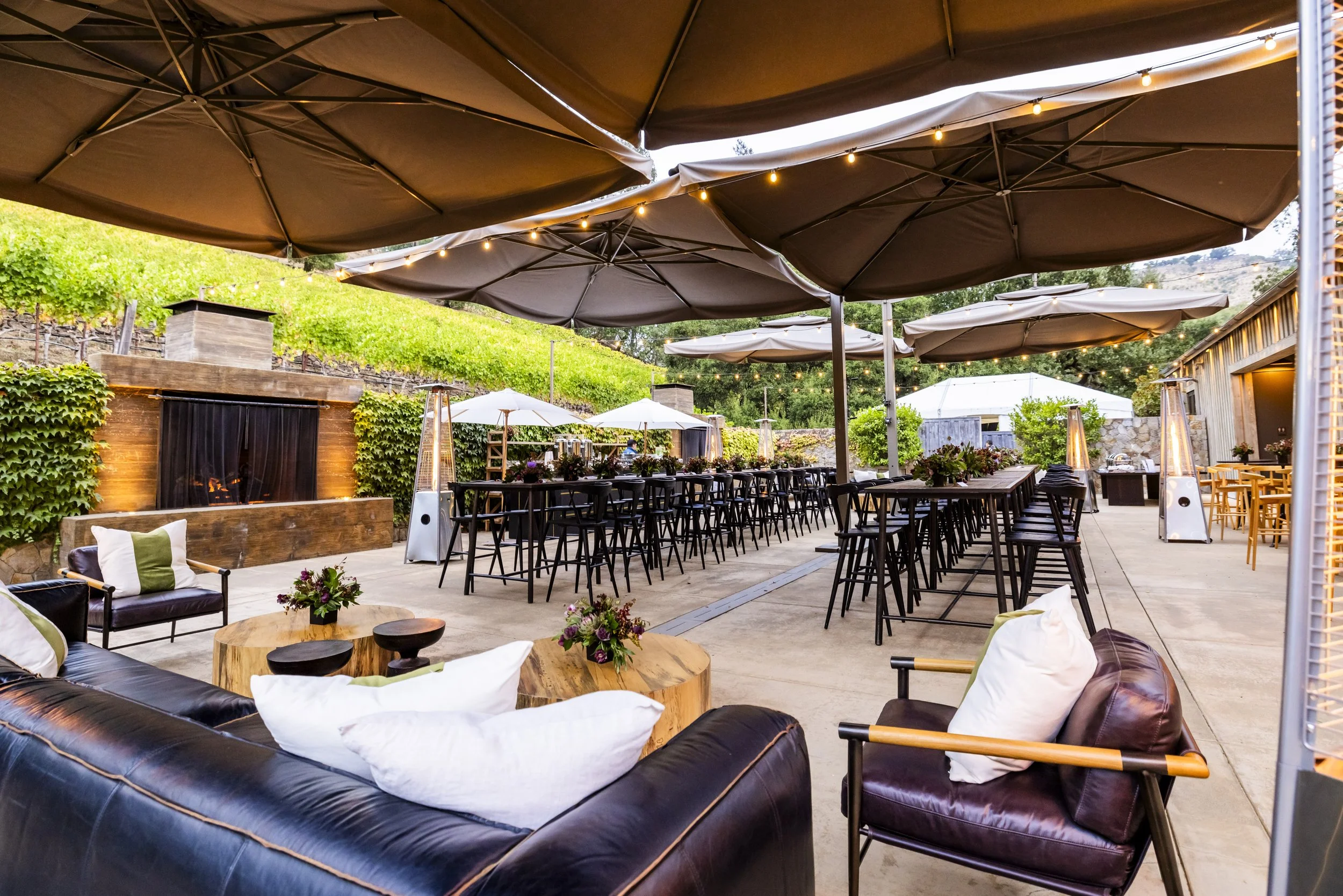
All of these details go into creating moments for everyone involved.
Floor Plans as a Career: A Craft of Composition
For those seeking a career in spatial design or any adjacent field, floor plans should not be overlooked as a solid skill. People often underestimate the strategy behind a floor plan. It requires a deep understanding of the event type, number of guests, furniture requirements, sightlines, emphasis points, and composition as a whole. It’s a puzzle of objects, scale, and human behavior that makes or breaks a space.
“It's as easy as taking an interior design class or even just reading about it,” Pedro says, “There are a ton of resources out there now that are very accessible. Yes, formal education is important, but doing your own research gives you a head start.”
Over time, the process evolves through experience: visiting events, observing how people interact with the space, and refining the approach based on what works and what doesn’t. A designer’s style develops as they learn to trust their gut. It’s one of the aspects of Pedro’s work that he’s proud of.
“If I could talk to my younger self, just starting in the design field, I’d simply say ‘trust yourself.’ You can still be creative even though you might think it's just something utilitarian.”
Case Study: Designing Around a Giant Oak Tree
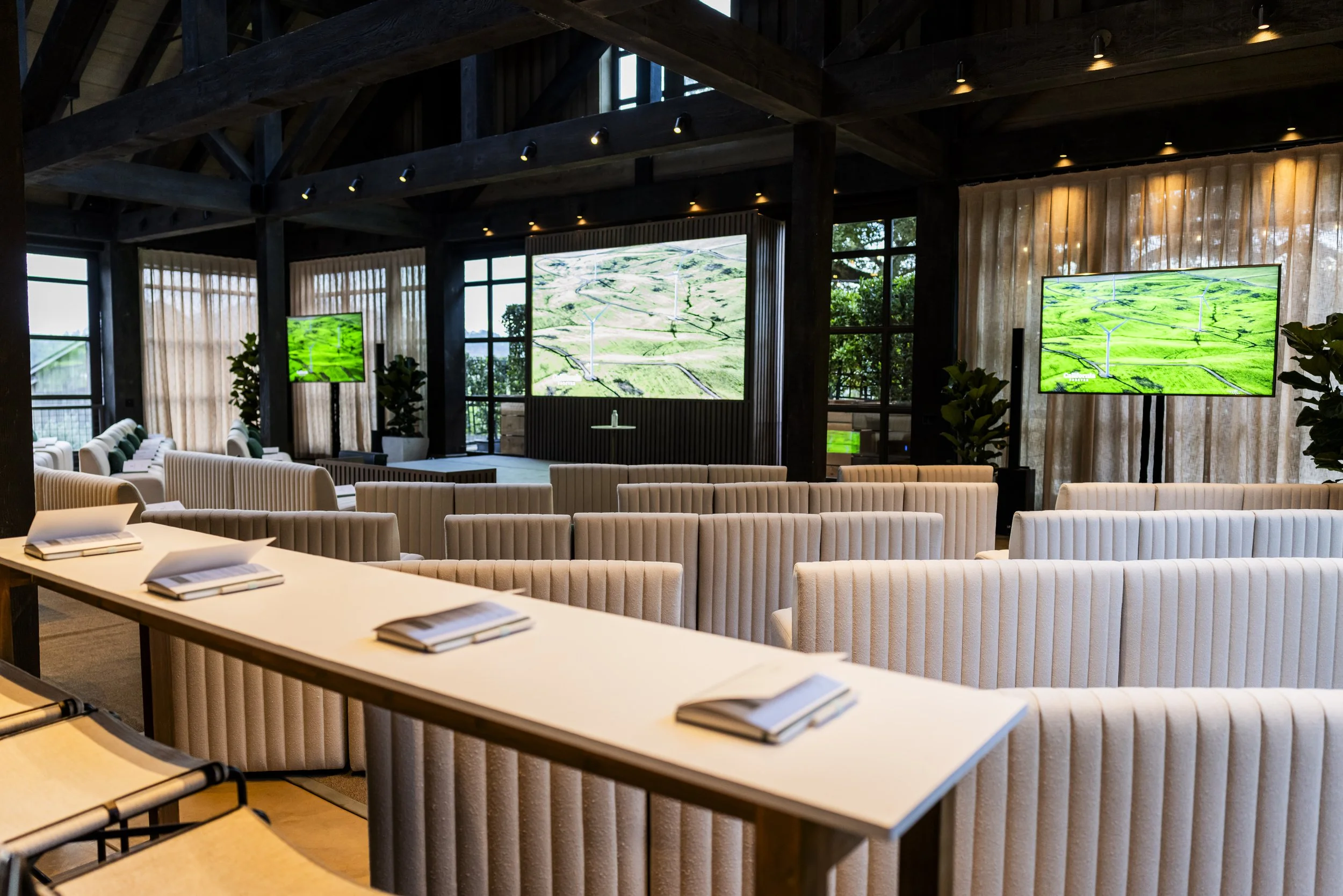
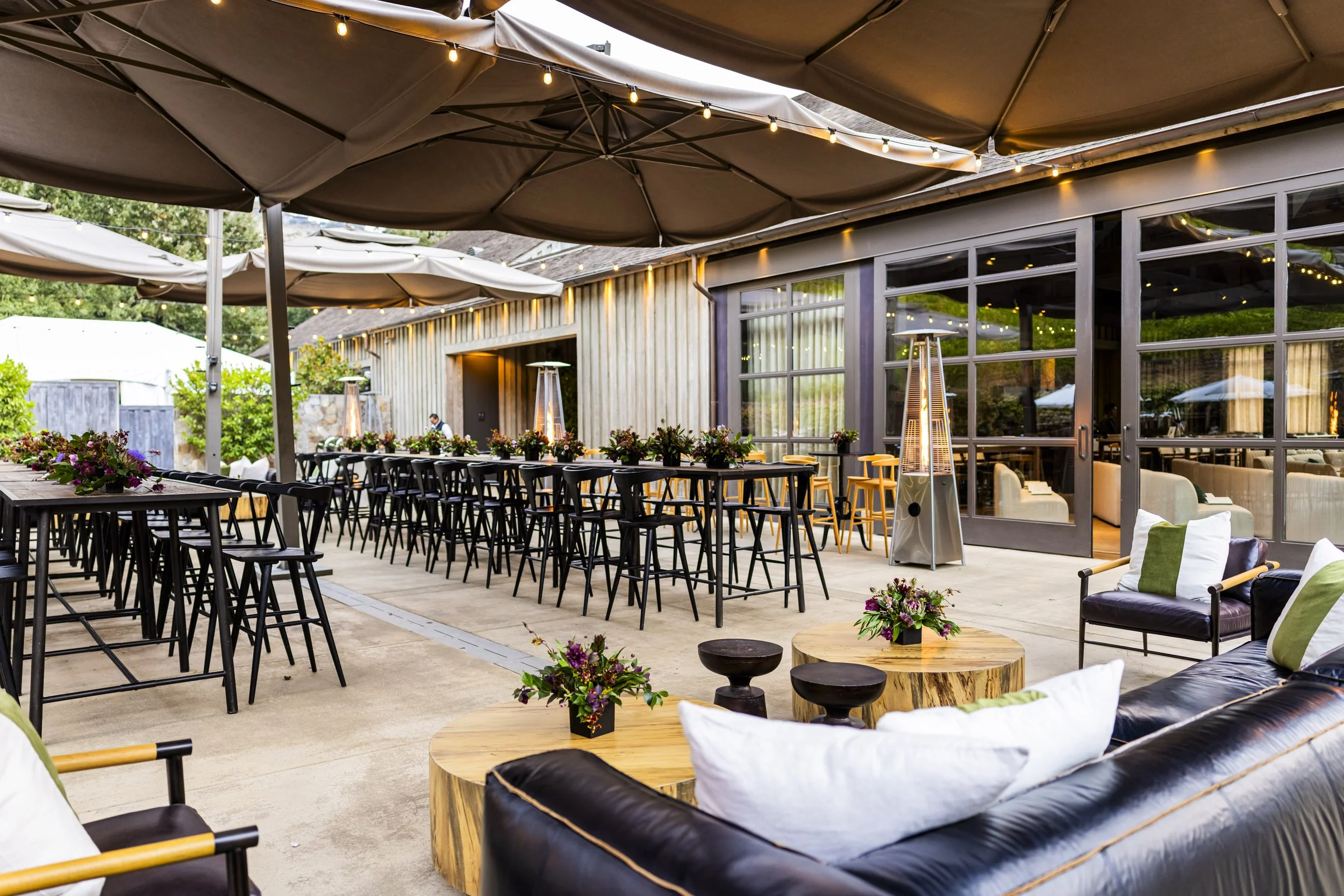
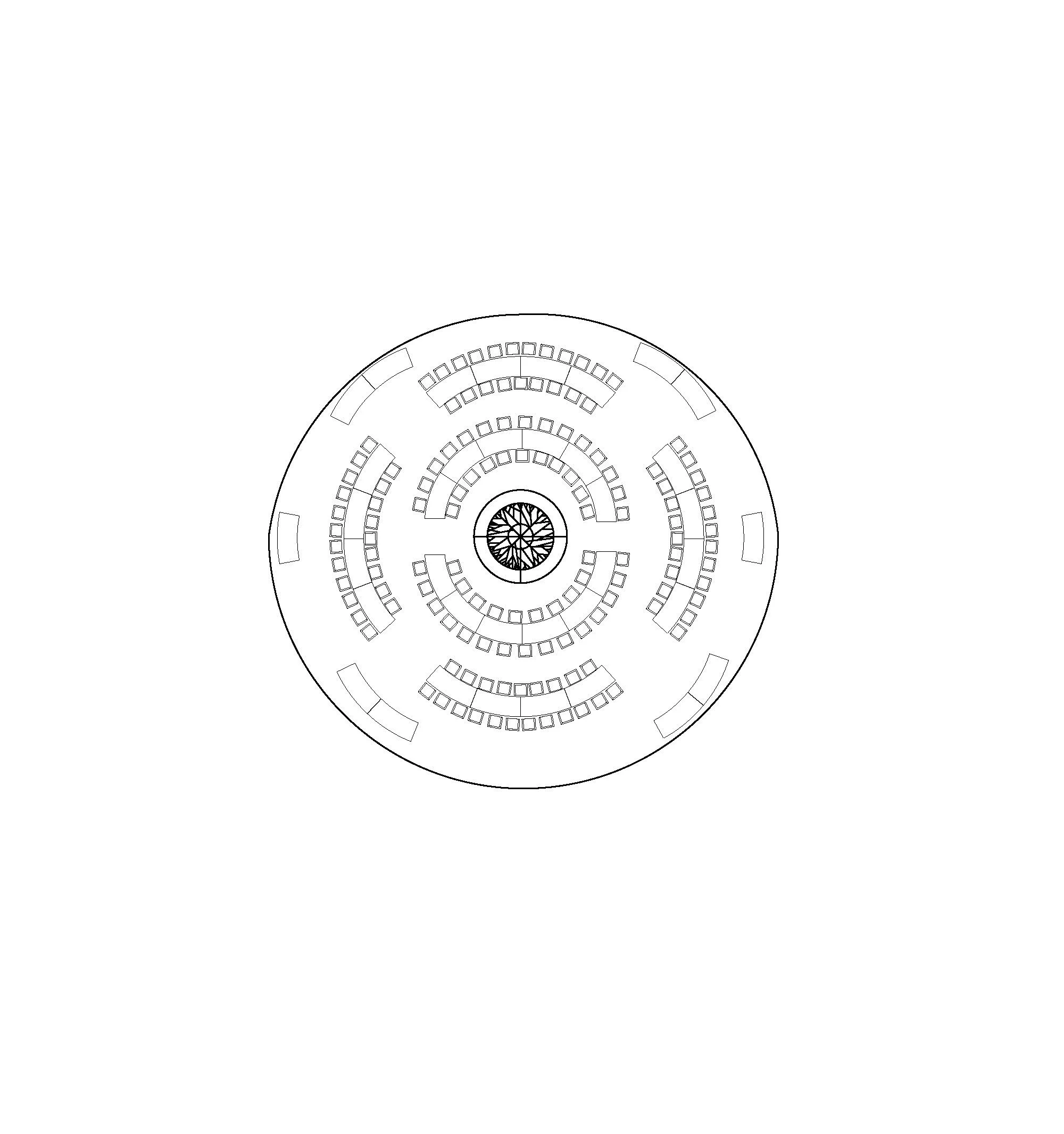
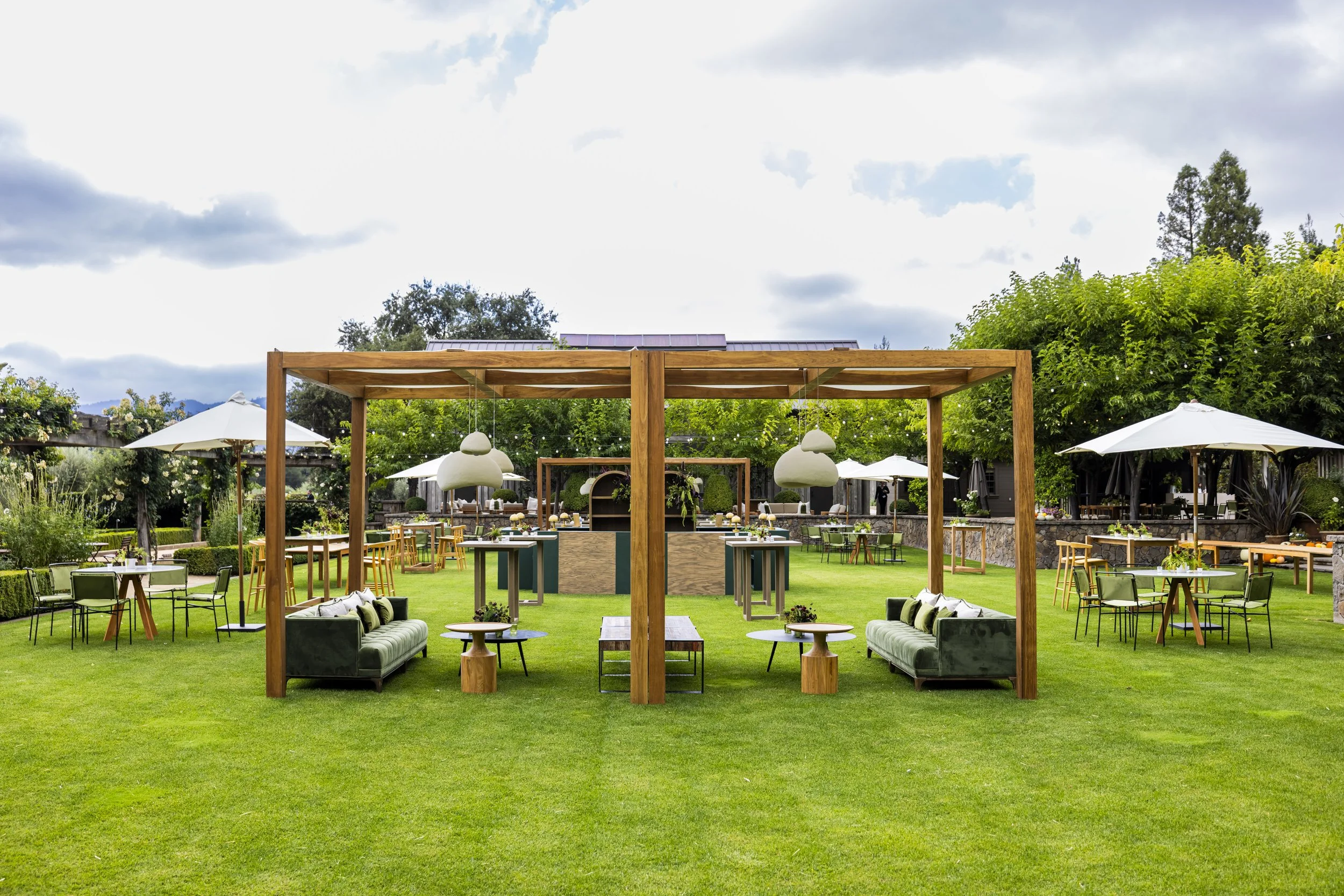
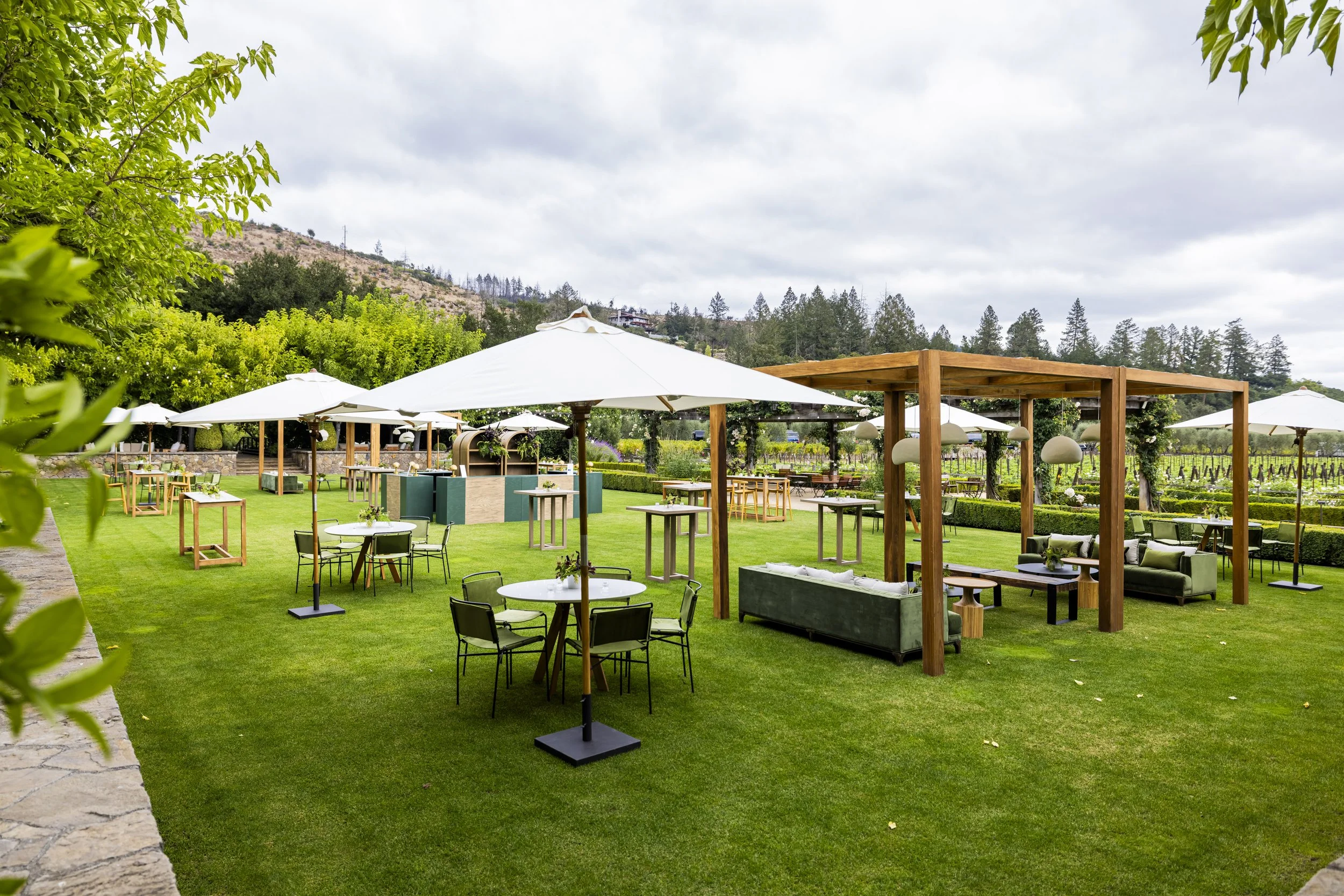
One of Pedro’s standout projects involved a multi‑day conference in Napa Valley. The event required multiple layouts: a conference setup with theater‑style seating and tech booths, an outdoor lunch, a dinner, and a cocktail hour.
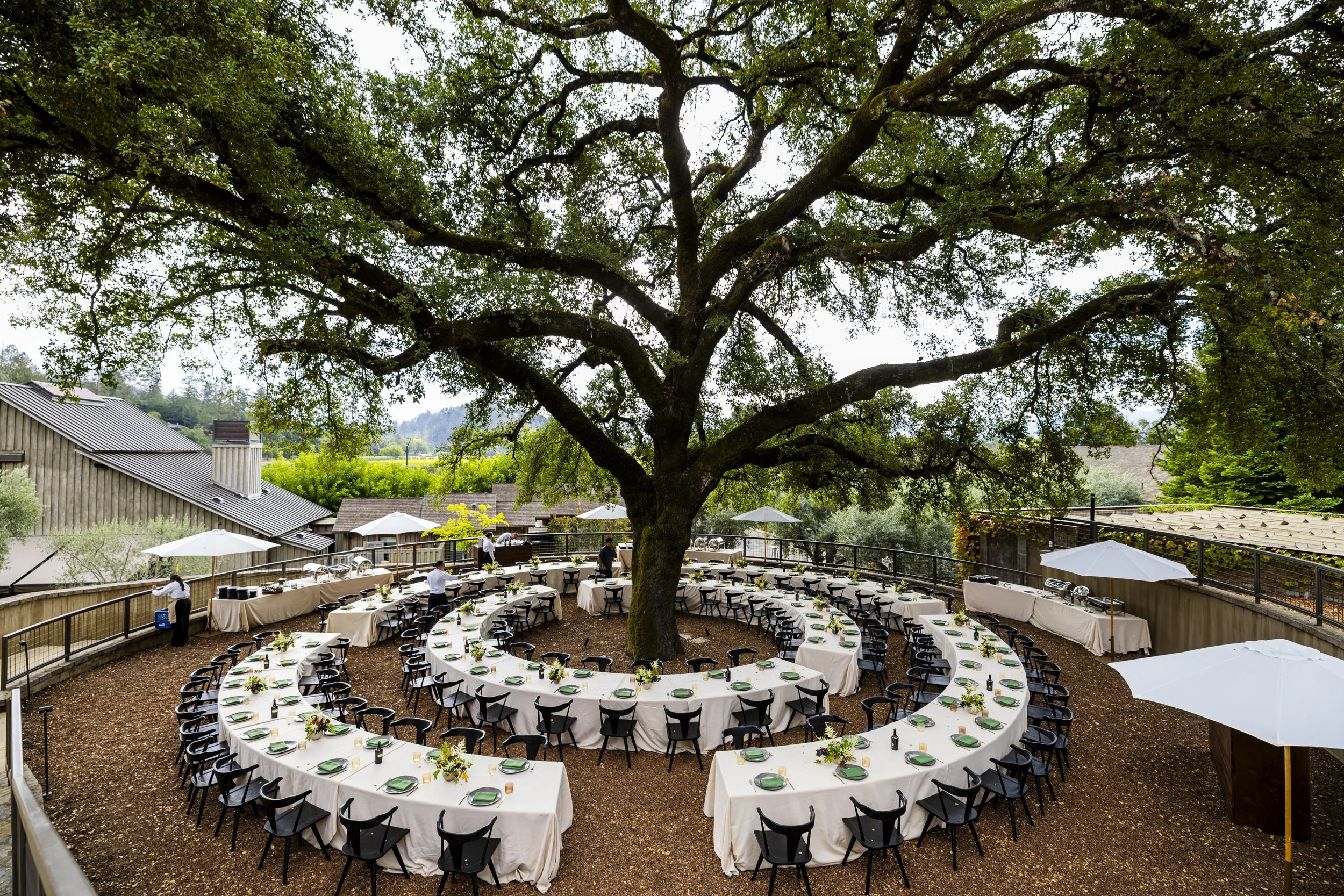
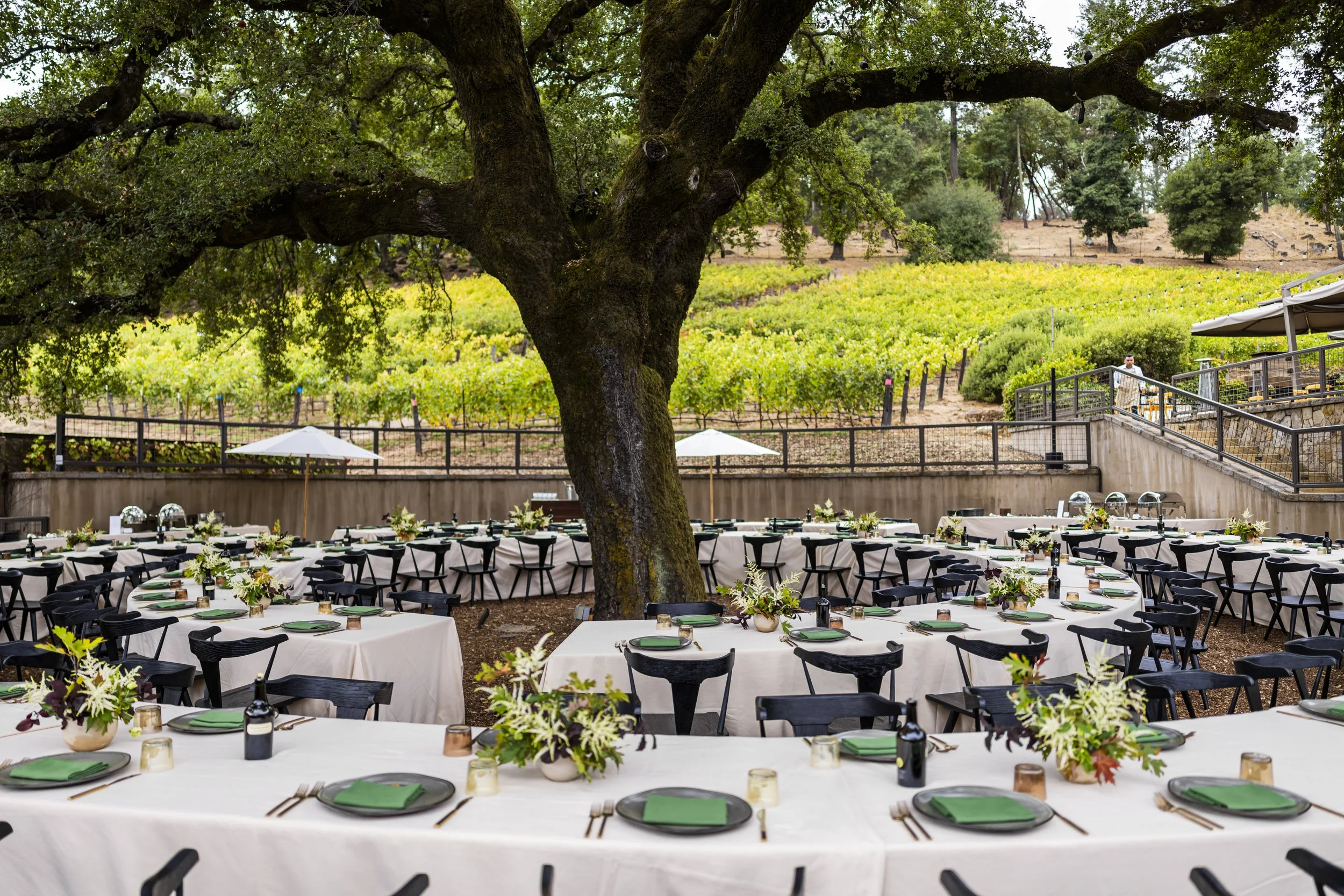
The most memorable aspect was a massive oak tree in the center of the space.
The goal was for every guest to sit around the tree, making it the natural focal point of the event. To achieve this, he designed custom circular tables that wrapped around the tree’s base, creating a dramatic and intimate gathering space.
He also designed custom console‑style communal tables - long, narrow, bar‑height pieces inspired by “schoolboy tables” used in catering. These transformed utilitarian furniture into elegant event features.
This project highlights a key truth about his work: floor plans aren’t just about placing objects. They often involve designing the objects themselves, collaborating with fabricators, and turning drawings into physical pieces that shape the guest experience.
Closing Thoughts: What Makes a Space Memorable
When asked what he hopes people feel in a space he’s designed, Pedro’s answer is simple: “I hope it’s memorable.”
His work blends architectural rigor with artistic intuition. It’s about scale, flow, composition, and the subtle decisions that make a space feel intentional. As digital tools make spatial planning more accessible, he believes more people will experiment with floor plans, so long as they remember the importance of scale, purpose, and thoughtful design.